Share this article on Social Media:
At the Hospital C-Suite Summit 2026, the operational excellence session turned attention from strategy to the shop floor – flow, logistics, scheduling, and the daily grind of running a hospital well. The message from leaders across Europe, the US, and beyond was consistent: the biggest gains come not from new technology, but from redesigning how work actually happens, and building the data foundation to run it.
Every hospital wants better outcomes and lower costs. Session 3 “Operational Excellence: Managing Excellence in Outcomes and Performance” asked the practical question underneath that ambition: how do you actually improve flow, logistics, and operations in the age of AI and integrated health systems?
The speakers, drawn from some of the world’s leading institutions, kept returning to the same principle: technology delivers only when it is embedded in a well-designed process and fed by usable data.
No AI Without a Data Foundation
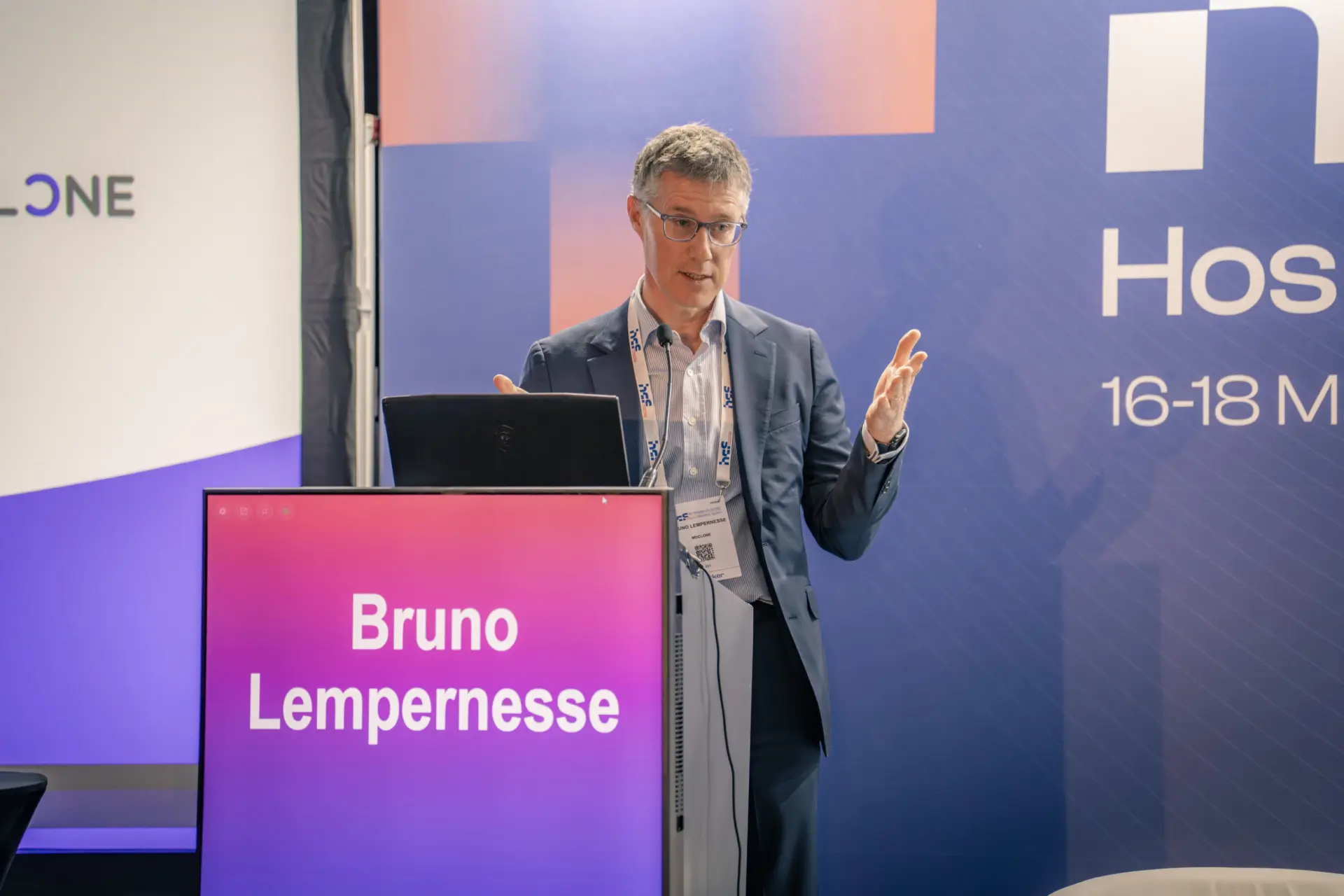
Bruno Lempernesse, Chief Executive Officer, Board Member, MDClone, opened with the prerequisite everyone else built on. Healthcare generates enormous volumes of data, he noted, yet very little of it drives decisions — trapped in silos, bottlenecks, and manual processes. Value is created only when data becomes accessible, usable, and actionable across clinical, operational, and research teams. He pointed to Sheba Medical Center’s transformation into a data-driven organization, where real-time interaction with data shifted the institution from reactive to proactive. The lesson: assess your readiness for data democratization before layering AI on top of it.
From Cost-Cutting to Abundance
Roxanna Gapstur, President and CEO WellSpan Health, with Munjal Shah, Co-founder and CEO Hippocratic AI, shared one of the session’s most striking reframes. Deploying conversational AI agents to handle patient calls, they found the highest-value uses weren’t about saving money – they were about doing more. Booking a mammogram during a routine results call lifted future screening rates; mass outreach ahead of a weather emergency reached vulnerable patients no human team could have called in time. Safety was engineered in through multi-model redundancy, nurse-led testing, and integration into standard safety reporting. Their conclusion: AI’s real return often lies in expanding access and utilization, not in headcount savings.
Predict, Then Prevent
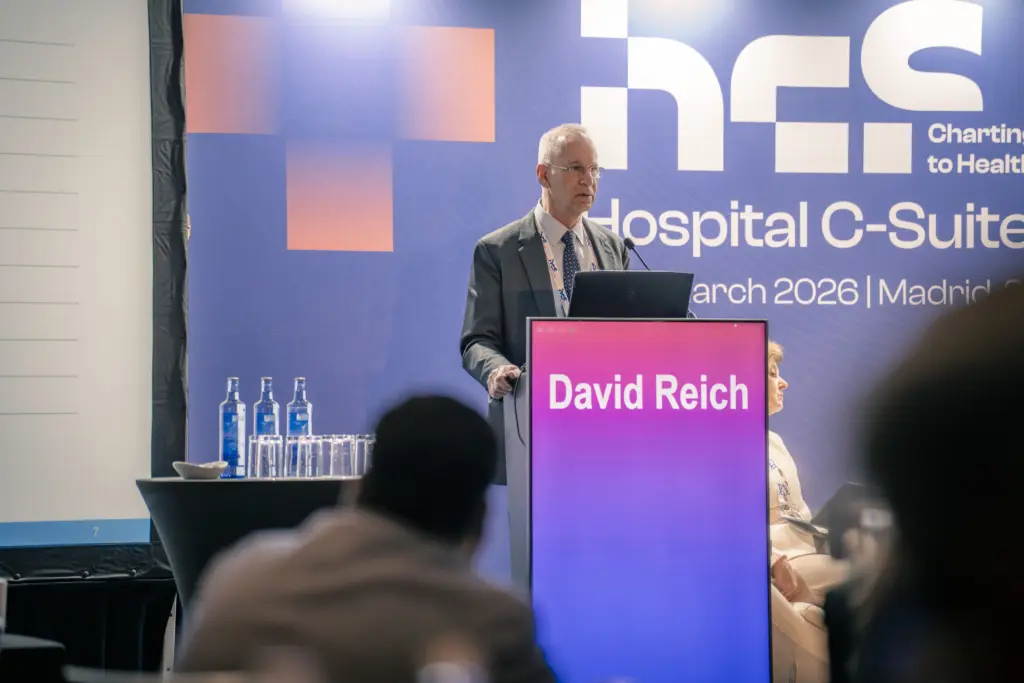
David Reich, President of The Mount Sinai Hospital, described a portfolio of operational-excellence initiatives built on predictive analytics: early-warning tools for patient deterioration, natural-language processing to detect delirium, and augmented intelligence in surgical complication reviews. His emphasis was on doing this responsibly: co-designing tools with the workforce, localizing and testing predictive models to avoid bias, guarding against automation bias, and building the governance to manage liability. Prediction only helps, he argued, if clinicians trust it and act on it.
Fixing the Operating Room’s Hardest Problem: Scheduling
A team from Oslo University Hospital – Oyvind Skraastad, Director Acute Clinic, Oslo University Hospital, and Hanne Wikeby Asak, Head of Department for Organ Donation, Oslo University Hospital, presented the “Surgical Cockpit,” a set of modules that bring early planning, accurate data on surgeon and patient availability, and dynamic rescheduling into one place – optimizing theatre use, reducing cancellations, and improving data quality. The technology was only half the story; the harder part, they noted, was the cultural change required, particularly among surgeons, and the leadership engagement needed to make it stick.
Transformation at Scale, and at the Bedside
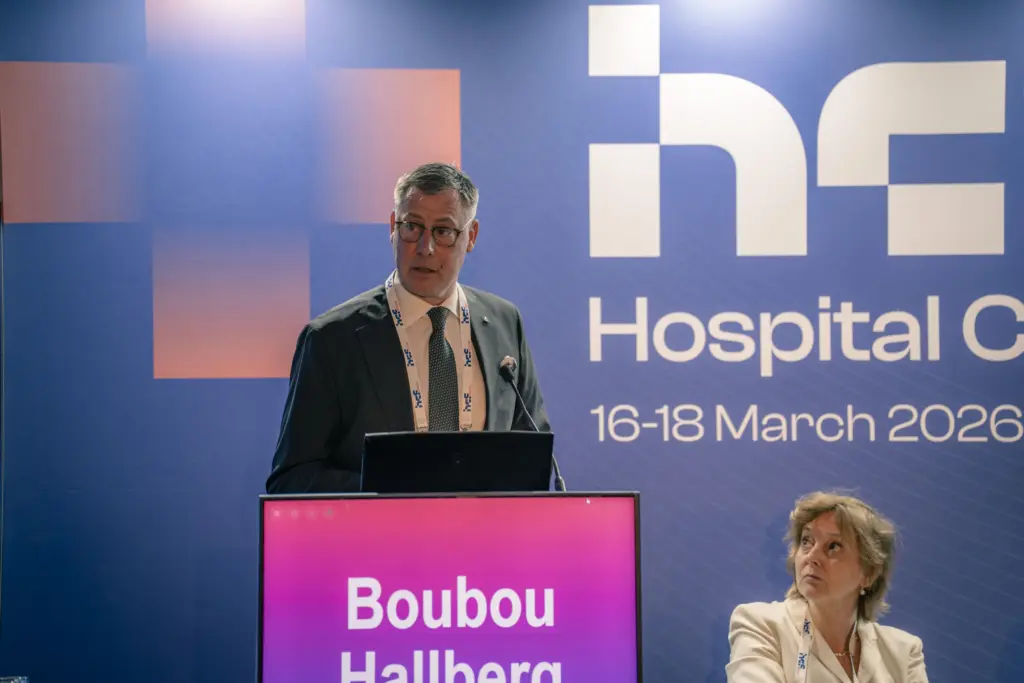
Boubou Hallberg, CEO of Sahlgrenska University Hospital, outlined a transformation program spanning 21 projects across six pillars, each pairing a clinical leader with a project manager. Examples ranged from optimizing heart-failure care to scaling hospital-at-home and reviewing emergency-department pathways to strip out unwarranted variation – all driven by data and clinician engagement rather than top-down mandate.
A team from Humanitas, led by Luciano Ravera, showed how value thinking reshapes even routine processes. By redesigning preoperative assessment around risk questionnaires and stratification – matching the intensity of workup to the patient and the procedure – they cut unnecessary tests and consultations, freed resources, and held quality steady. Lean methodology tied patient experience, clinical decision-making, and organizational pathways together, with AI set to personalize assessments further.
The Recurring Lesson: Don’t Pilot, Implement
Across the session and reinforced in a closing panel that included an industry perspective from Roche, a shared conviction emerged: small pilots rarely scale. The organizations seeing durable change engage local teams to adapt evidence-based protocols to their own context, then implement fully —- sustaining throughput even during crises. Cost reduction, the panel agreed, comes not from cutting care but from automating support functions, decentralizing, focusing on prevention, and eliminating inefficiency in patient flow.
The Takeaway
Operational excellence rarely makes headlines, but this session made a compelling case that it is where transformation is won or lost. The hospitals pulling ahead are building a usable data foundation, redesigning workflows rather than digitizing broken ones, deploying AI to expand access as well as efficiency, and having the courage to implement at scale instead of piloting forever.
The tools matter. But it is the unglamorous work of process, data, and culture that decides whether they deliver.
Want to stay informed about the ideas shaping the future of healthcare leadership? Subscribe to our newsletter and be the first to hear about insights, speaker announcements, and updates from the next Hospital C-Suite Summit.
Share this article on Social Media: